


Okay, let’s be honest. We all have that little nagging feeling, right? The one that whispers, “Is my job *actually* contributing anything positive to the world?” Especially when you see melting glaciers and plastic-filled oceans flashing across your social media feed.
It’s easy to feel overwhelmed, like your individual impact is a drop in a rapidly warming ocean. But here’s the good news: you *can* make a difference, and you can do it while building a fulfilling and sustainable (pun intended!) career. We’re talking about green jobs, folks, and they’re not just for tree-hugging hippies anymore.
The world is waking up to the climate crisis, and that means businesses are scrambling to find solutions. This translates to a massive demand for professionals who can help them become more sustainable, reduce their carbon footprint, and operate responsibly. In other words, it’s a boom time for green jobs!
But what *exactly* constitutes a “green job”? Don’t worry, it’s not all solar panel installation and wind turbine maintenance (although those are definitely options!). The umbrella of sustainability is surprisingly wide, and chances are, your existing skills might already be transferable.

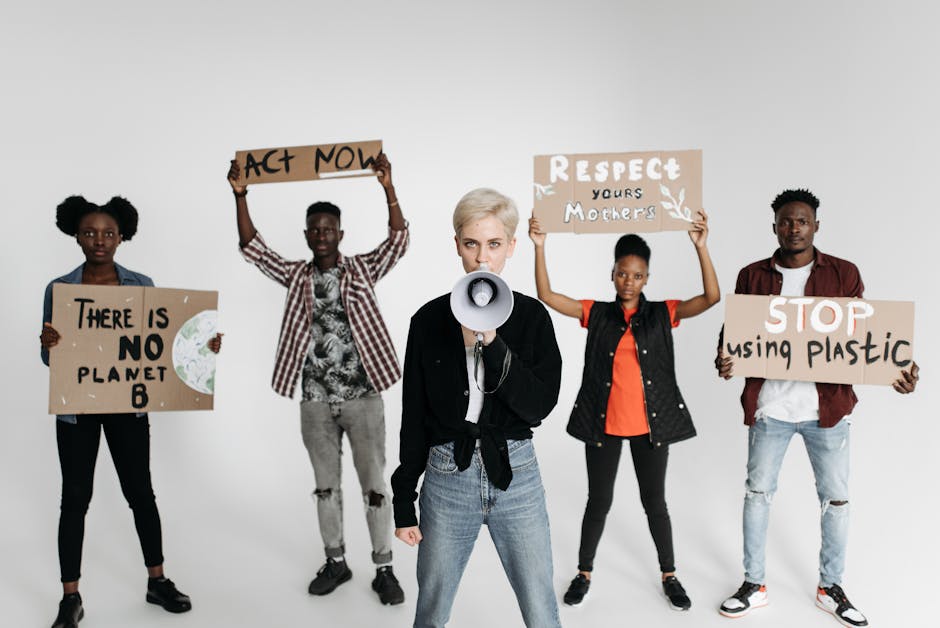
Think Beyond the Obvious: Green Jobs You Might Not Have Considered
When you think “green job,” you might immediately picture someone working in renewable energy. And yeah, that’s definitely a growing field! But sustainability touches *everything* these days. Here are a few examples that might surprise you:
- Sustainable Supply Chain Manager: Every product you buy has a journey. A sustainable supply chain manager ensures that journey is as eco-friendly as possible. This involves sourcing materials responsibly, minimizing waste, reducing transportation emissions, and ensuring ethical labor practices. If you’re good at logistics, negotiation, and problem-solving, this could be your jam.
- Green Marketing Specialist: Convincing consumers to embrace sustainable products and practices requires a savvy marketing approach. Green marketing specialists create campaigns that highlight the environmental benefits of a product or service, educate consumers about sustainability issues, and build brand loyalty by aligning with eco-conscious values. If you’re creative, persuasive, and understand consumer behavior, this is a great way to use your skills for good.
- Environmental Consultant: Businesses need help understanding and complying with environmental regulations. Environmental consultants provide expert advice on everything from waste management and pollution control to environmental impact assessments and sustainability reporting. If you have a background in science, engineering, or environmental law, this could be a rewarding career path.
- Sustainable Architect/Urban Planner: Designing buildings and cities that are energy-efficient, resource-conscious, and resilient to climate change is crucial. Sustainable architects and urban planners incorporate green building materials, optimize energy performance, promote walkability and public transportation, and integrate green spaces into urban environments. If you’re passionate about design and have a vision for a sustainable future, this might be the perfect fit.
- Food Scientist/Agricultural Technician (with a focus on sustainable practices): The food industry has a huge environmental impact. Food scientists and agricultural technicians who focus on sustainable farming practices, reducing food waste, and developing alternative protein sources are in high demand. Think vertical farming, plant-based meat alternatives, and innovative ways to improve soil health.
Skills to Pay the Bills (and Save the Planet): What You Need to Succeed
So, you’re intrigued. But what skills do you need to break into the world of green jobs? The good news is, it’s not all about having a Ph.D. in environmental science. While specialized knowledge is certainly valuable, many green jobs require a mix of technical skills and soft skills. Here are a few to consider:
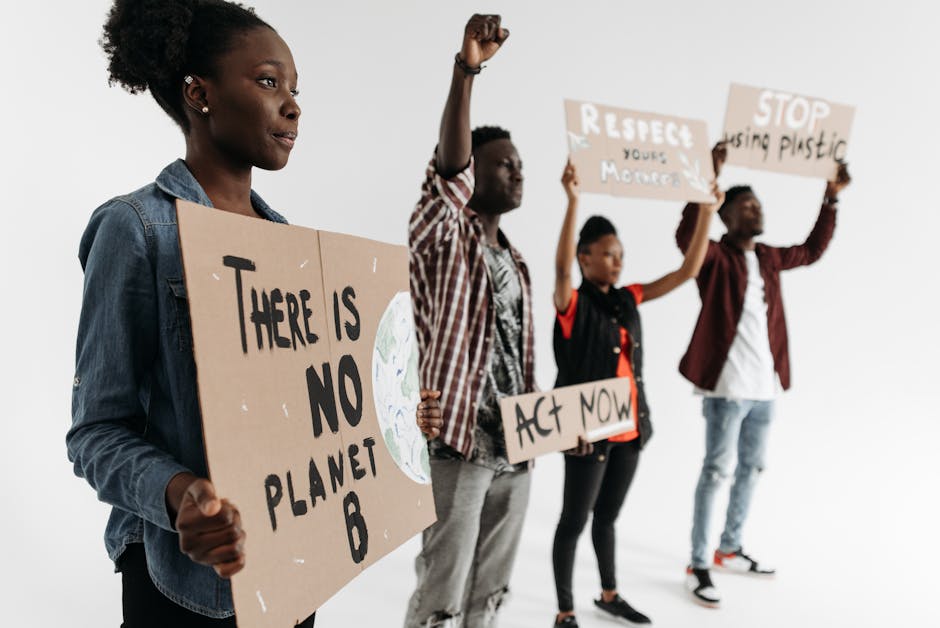
- Technical Skills: This depends on the specific field, but could include knowledge of renewable energy technologies, environmental regulations, data analysis, sustainable design principles, or life cycle assessments.
- Communication Skills: Being able to clearly communicate complex information about sustainability issues is essential, whether you’re writing reports, giving presentations, or engaging with stakeholders.
- Problem-Solving Skills: Sustainability challenges are complex and multifaceted. You need to be able to think critically, identify problems, and develop innovative solutions.
- Collaboration Skills: Working with diverse teams of engineers, scientists, business professionals, and community members is often required.
- Passion and Drive: A genuine commitment to sustainability is essential. You need to be motivated to make a difference and willing to go the extra mile to achieve your goals.
Getting Your Foot in the Door: How to Launch Your Green Career
Okay, you’re officially sold. Now, how do you actually *get* one of these awesome green jobs? Here are a few tips to get you started:
- Assess Your Skills: What are you already good at? How can you apply those skills to a sustainability-related role?
- Identify Your Passion: What aspects of sustainability are you most interested in? Focusing on an area you’re passionate about will make the job search (and the job itself) more rewarding.
- Network, Network, Network: Attend industry events, join online communities, and reach out to people working in green jobs. Networking is a great way to learn about opportunities and make connections.
- Get Educated (But Not Always in a Classroom): Consider taking online courses, attending workshops, or pursuing certifications in sustainability-related fields. Even a few hours of focused learning can boost your credentials.
- Volunteer Your Time: Volunteering for environmental organizations is a great way to gain experience, learn new skills, and demonstrate your commitment to sustainability.
- Tailor Your Resume and Cover Letter: Highlight any experience or skills that are relevant to the specific green job you’re applying for. Don’t just list your qualifications; explain how they can contribute to the company’s sustainability goals.
- Don’t Be Afraid to Start Small: You don’t have to land your dream job right away. Consider taking an entry-level position or internship in a sustainability-related field.
The Future is Green (and So is Your Career): Why Now is the Time to Act
The demand for green jobs is only going to increase in the coming years. As businesses and governments become more committed to sustainability, they’ll need skilled professionals to help them achieve their goals. By pursuing a green career, you can not only make a positive impact on the planet but also secure a fulfilling and financially rewarding future.

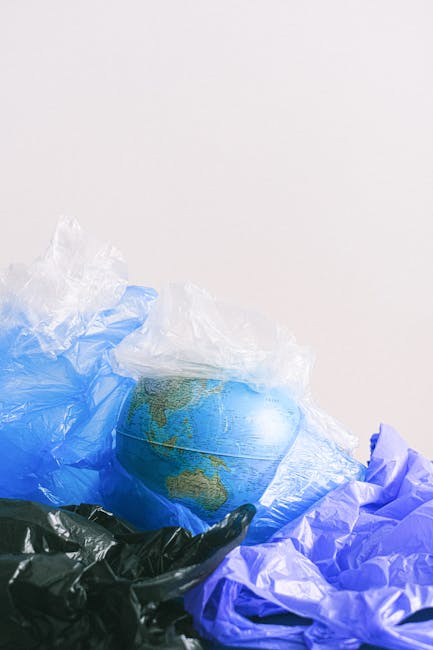
Think about it: you can be part of the solution, not the problem. You can use your skills and talents to create a more sustainable world for future generations. And you can do it all while earning a living.
So, ditch the guilt, grab a green job, and build a future that’s good for the planet *and* your wallet. What are you waiting for? The world needs you! Now go out there and make a difference!
Watch: 4 Steps to a Career in Sustainability | How to Build a Career in Sustainability
